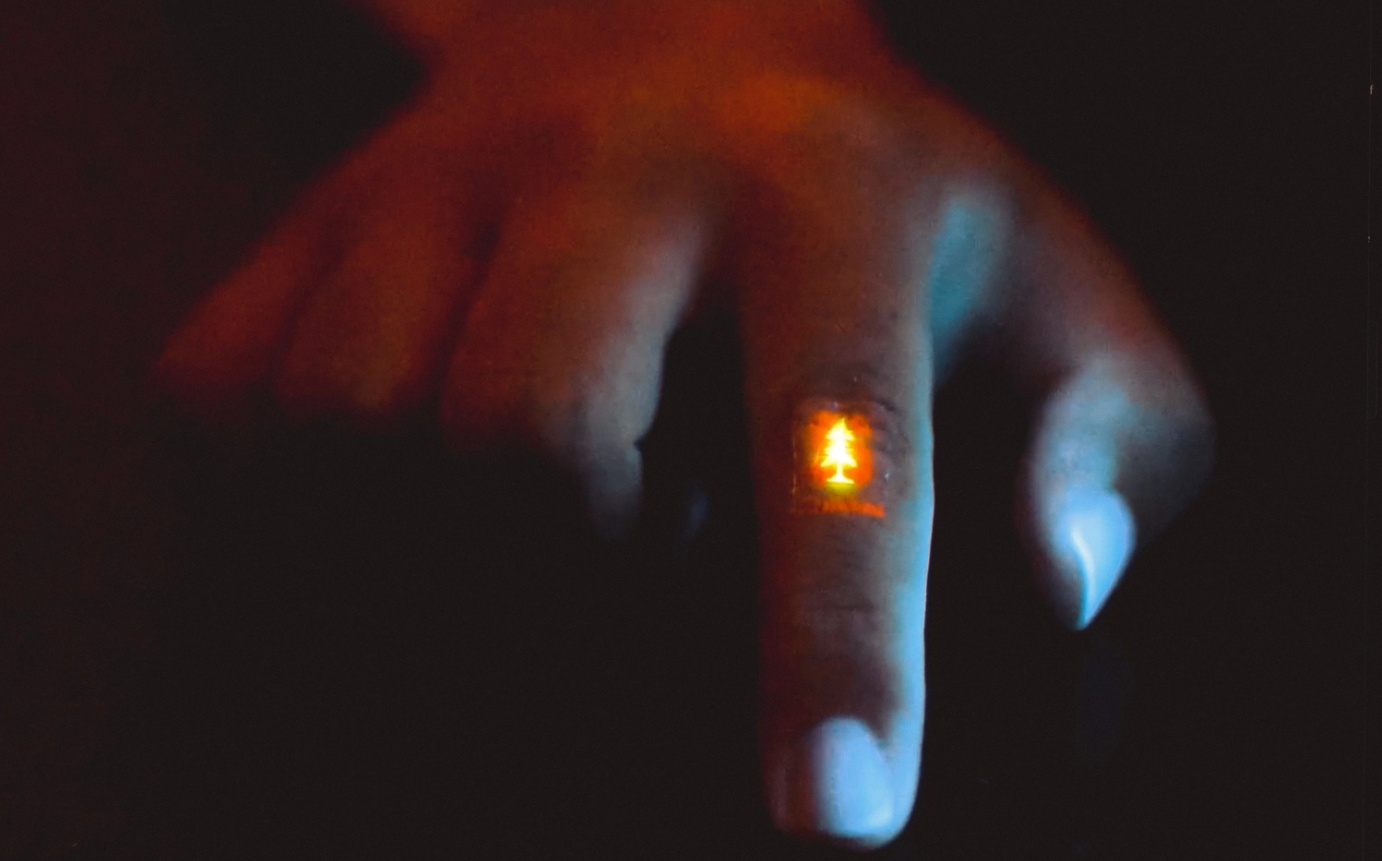
Stanford engineers develop a stretchable display that could revolutionize how humans interact with electronics
After discovering a groundbreaking way to create an elastic light-emitting polymer, Stanford chemical engineers have developed high-brightness, stretchy color displays.

Point Sur Lightstation: Reopened and restoring
In early March 2020, Point Sur Lightstation welcomed its largest volunteer training class in years. Approximately 80 people were ready to give their time to the historic site. But the first day of training took an unexpected turn.
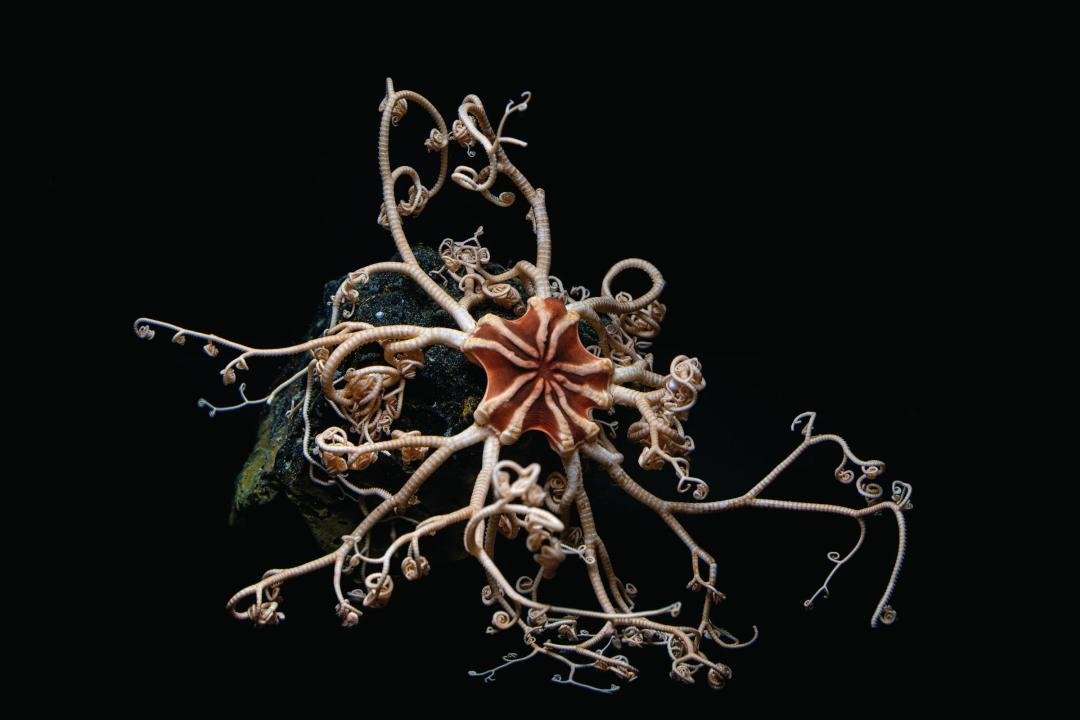
Monterey Bay Aquarium to unveil new ‘Into the Deep’ exhibition
A dark, frigid world that is low in oxygen and high in acidity sounds like a hostile habitat to most. But these features are required for the strange yet beautiful animals living in the deepest, darkest corners of the ocean.

Respecting the raptors while climbing at Pinnacles
In Pinnacles National Park, falcons, hawks, eagles and other birds of prey occasionally glide right beneath climbers ascending the park’s iconic rocky peaks.

Popular ’80s party drug slowly gains respect as PTSD treatment
Study led by UCSF researcher shows MDMA could help millions with the psychiatric disorder.

Confirmed: Monarchs back in bigger numbers
After encouraging signs that more monarch butterflies were returning to Pacific Grove for overwintering than in previous years, the creatures’ massive comeback is now clear.

Drone keeping an eye on Elkhorn Slough
A drone buzzes above Elkhorn Slough, zipping back and forth in an elongated zig-zag pattern. As it glides through the air, it takes snapshots of the surface to monitor plant life and ground elevation.


The truth behind pseudoscience: Tarot cards
Your past, present and future—it’s all in the cards. Or is it?

New computer program rapidly detects homes, buildings damaged by wildfires
Developed by scientists at Cal Poly in San Luis Obispo and Stanford University, DamageMap evaluates the destruction by scrutinizing post-wildfire aerial and satellite images.

Charting the “Bloody” Brine Flows from an Antarctic Glacier
Photographs and field observations yield a more complete historical record of the ebbs and flows of the so-called Blood Falls on Taylor Glacier.

Stanford professor spotlights evolutionary tree concepts with campus trees
More than a century of attentive groundskeeping has turned the Stanford campus into a museum of mathematical phylogenetics, says Noah Rosenberg, creator of the Stanford X-Tree Project.

Extinction not only threatens primates—their parasites are in danger, too
Extinction threatens nearly half of all primate species, largely due to human activities. But alongside them, a hidden world of biodiversity also could disappear: parasites.

Stanford engineers propose a simpler design for quantum computers
A relatively simple quantum computer design that uses a single atom to manipulate photons could be constructed with currently available components.

Stanford course dives into untold histories of inventions
First-year students learn about the winding paths leading to inventions and experiment with electronics.

Mozart I sculpture moves to School of Engineering
Stanford School of Engineering welcomes relocated Mozart I as part of an art expansion effort.

Stuck@Home virtual concert series marks return to campus with live performance
The Medicine & the Muse Program’s Stuck@Home virtual concert series features the artistic talents of the Stanford community. After more than a year online, they had their first in-person performance at Bing Concert Hall.
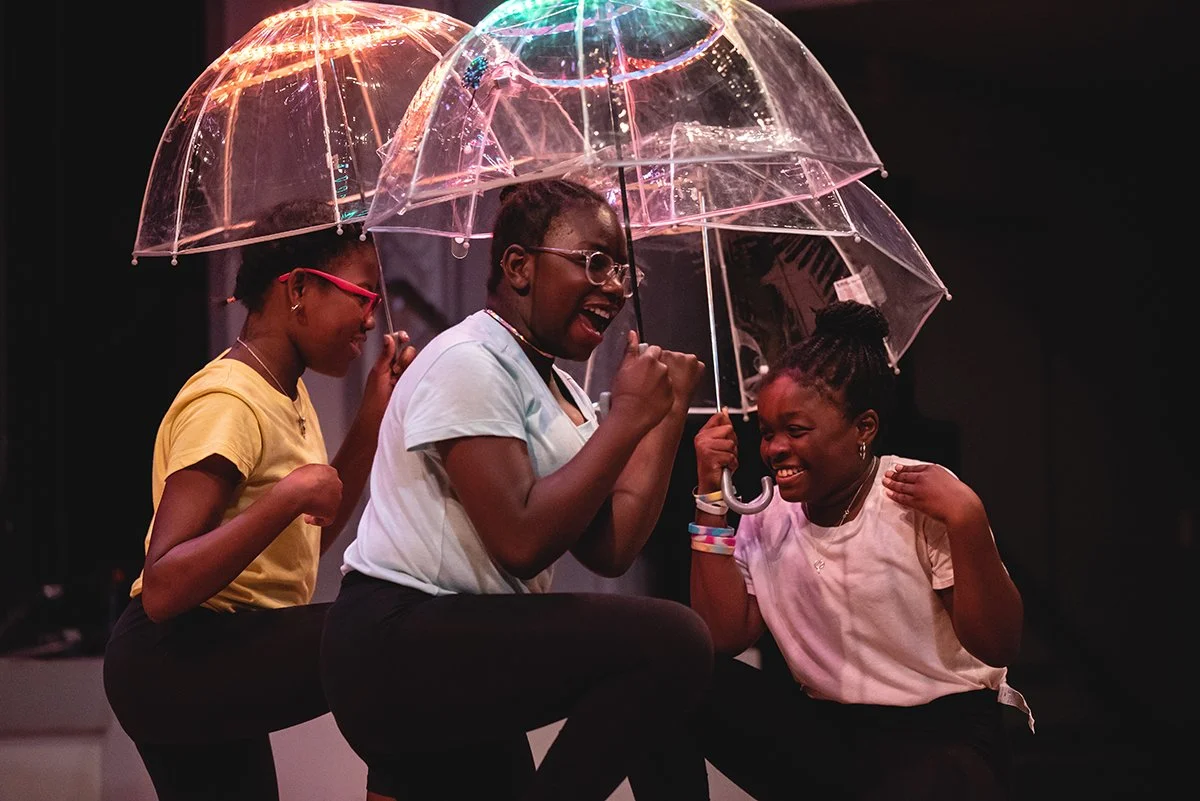
STEM From Dance
STEM From Dance is exciting young minds about science and technology through a unique route—the arts. Since 2012, the New York City-based organization has been using dance to inspire girls, especially those from underrepresented minority backgrounds, to pursue careers in science, technology, engineering, and math (STEM) to diversify these fields.